

Setting Up Your First Envelope System
Step-by-step process for dividing your monthly salary into essential categories like rent, groceries, and transport.
Read ArticleA simple fifteen-minute weekly review catches problems before they spiral. You’ll learn what to check, how to adjust flexible envelopes for gifts and dining, and when to reallocate money between categories.


Most people check their budget once a month. That’s too late. By then, you’ve already overspent on groceries or dining out, and there’s no way to catch the mistake in time. Weekly reviews are different — they’re short, focused, and they actually work.
The beauty of envelope budgeting is that it forces you to be honest about money. Every Sunday evening for fifteen minutes, you’ll sit down and see exactly where your money went. No surprises at month-end. No stress about whether you’ve blown your budget.
We’re not talking about a complicated spreadsheet or a finance app with seventeen tabs. This is simple: open your envelopes (or your app), check the balances, and adjust if needed. That’s it.

Whether you’re using physical cash envelopes or a digital app, pull everything together. Physical envelopes? Empty them and count the cash. Digital? Open your tracking app and check the live balances. Five minutes, done.
Go through rent, groceries, transport, and savings first. These are fixed or predictable. Check if you’re on track. If rent and transport look good, move to the flexible ones — dining out, gifts, entertainment. This is where most people overspend.
Is your dining envelope already half-empty by week two? Did you spend more on gifts than planned? Don’t judge yourself — just notice it. That’s the whole point of weekly reviews. You catch it now, not at month-end.
If you’ve got three weeks left in the month and your dining envelope is nearly empty, you have options. You can be stricter with yourself for the remaining weeks, or you can reallocate money from entertainment or gifts. It’s your choice, made early.

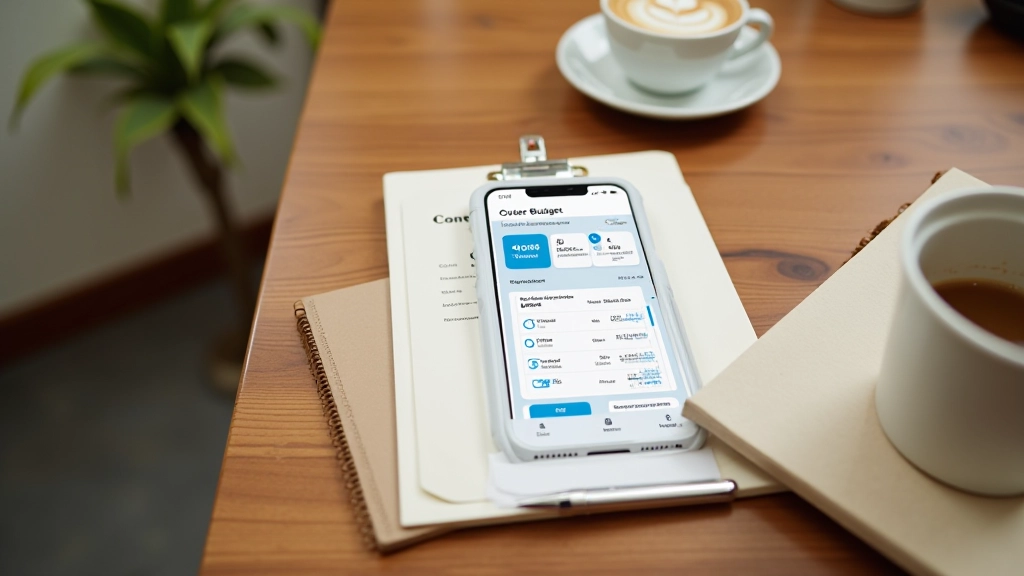
Here’s where weekly reviews really shine. Your rent envelope? It’s going to stay the same every month. Groceries? Pretty predictable. But dining out and gifts — those bounce around wildly depending on what’s happening in your life.
That’s why flexible envelopes need constant attention. If you’ve got friends visiting from out of town, you might spend more on dining. If it’s someone’s birthday, gifts will spike. Weekly reviews let you see this coming and adjust before you’re in crisis mode.
The trick isn’t to never overspend on these categories. It’s to do it consciously. You see it happening in week two, so you know you need to cut back in weeks three and four. Or you move money from another category. You’re in control, not scrambling.
This article provides educational information about envelope budgeting methods and personal finance organization. It’s not financial advice, and circumstances vary based on individual situations, income levels, and local economic conditions in Hong Kong. Everyone’s budget is different — what works for one household might need adjustment for another. Consider consulting with a financial advisor if you need guidance specific to your situation.
The first time you do a weekly review, it’ll take twenty minutes. You’ll be slow, you’ll second-guess yourself, and you’ll wonder if it’s worth the effort. By week three, you’ll knock it out in ten minutes while having your Sunday coffee. By week six, it becomes automatic.
The real power isn’t in the fifteen minutes themselves. It’s in what happens during those fifteen minutes — you’re forced to look at your money honestly. You can’t hide from overspending. You can’t pretend the dining budget is fine when it clearly isn’t. That honesty is what changes behavior.
Pick a day. Pick a time. Sunday evening works for most people, but Wednesday lunch or Friday morning is fine too. The day doesn’t matter. The consistency does. Once you’ve done three weekly reviews in a row, you’ll understand why envelope budgeting works. You’re not managing money by the month — you’re managing it in real time.