Physical vs Digital Envelopes: Which Works Better
Comparing traditional cash envelopes with digital tracking apps. Both methods work—discover which fits your lifestyle.
Read moreStep-by-step process for dividing your monthly salary into essential categories. We’ll walk you through rent, groceries, transport, utilities, and savings envelopes so you’re never confused about where money should go.
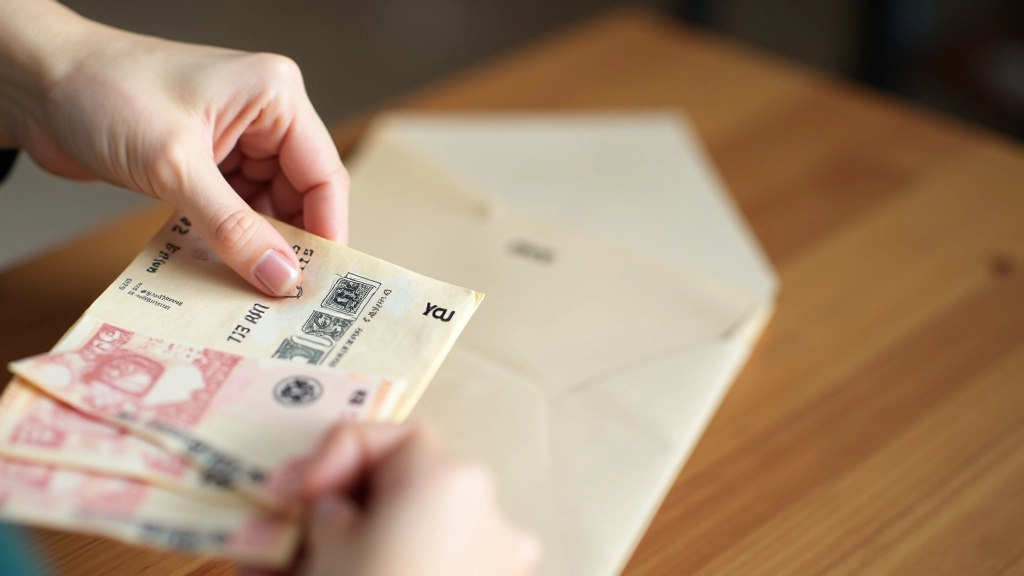

The envelope system isn’t new. Your parents probably used it. But here’s why it’s still the best method for Hong Kong families: it makes money real. When you see physical cash in an envelope labeled “Groceries,” you can’t pretend it’s unlimited. You can’t swipe without thinking.
Whether you’re managing HK$15,000 or HK$50,000 monthly, the same principle applies. You divide your income into categories, set limits, and stick to them. No apps glitching. No confusion about where money went. No arguments with your partner about spending.
We’re going to walk you through exactly how to set this up, what categories you actually need, and how to handle the expenses that don’t fit neatly into boxes.


Start with what you actually earn each month. That’s your starting number. Don’t use your gross salary—use what actually hits your bank account after taxes and mandatory deductions.
Next, list every fixed expense. These don’t change month to month. Rent. Insurance. Loan payments. Utilities (roughly). These categories need their own envelopes because they’re non-negotiable. In Hong Kong, most families find these fixed costs take 50-60% of monthly income. That’s normal.
Write these down. Don’t estimate. Check your bank statements for the last 3 months and average them out. You’ll find patterns you didn’t notice before.
After fixed costs, you’ve got what’s left for everything else. This is where envelopes shine. You’re going to split this remainder into categories that actually matter to your life.
Most Hong Kong families need these categories: Groceries, Transport (beyond regular rent), Dining Out, Household Items, Gifts, and Entertainment. Some families add Medical or Pet Care. The point is—these are the areas where spending spirals if you’re not paying attention.
You don’t need ten envelopes. That’s too complicated. Aim for 4-6 variable categories plus your fixed ones. That’s 8-12 envelopes total, which is manageable without being overwhelming.


Don’t guess how much you should spend on groceries. Look at what you actually spent last month. That’s your baseline. Now decide: do you want to spend the same amount, less, or slightly more?
Here’s what works: Take your actual spending, then reduce it by 10-15% if you want to save more. Not 50%. Not dramatically. Just 10-15%. That’s achievable. It doesn’t feel punishing. You’ll actually stick to it.
For dining out, most families set HK$500-1,000 depending on household size. For groceries, you’re probably looking at HK$3,000-5,000. Transport might be HK$200-500 if it’s not your main commute. The numbers aren’t what matter—what matters is you’ve thought about each one intentionally.
This guide provides educational information about envelope budgeting methods. Every family’s financial situation is unique. Adjust these categories and amounts based on your actual circumstances, household size, and location costs. If you’re managing debt or facing financial challenges, consider consulting with a qualified financial advisor who understands Hong Kong’s specific cost of living.
Physical envelopes with actual cash? Digital tracking app? Or a hybrid approach? Each has real advantages. Physical envelopes create psychological resistance—when the envelope is empty, it’s empty. You feel that immediately. There’s no swiping without thinking.
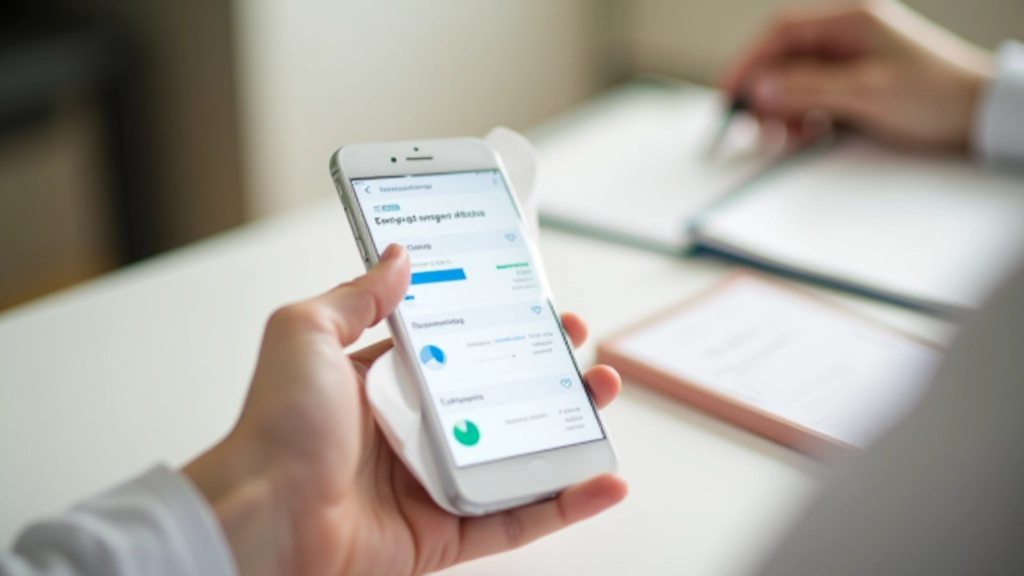
Digital tracking works better if you rarely use cash. You can update balances instantly on your phone, see real-time spending, and don’t have to carry large amounts of cash (which isn’t always safe in busy areas). The downside is it requires discipline because there’s no physical “stopping point.”
Many Hong Kong families use both. Physical envelopes for groceries and dining (where cash is still common). Digital tracking for transport and utilities (usually autopay). You get the psychological benefit of physical envelopes where it matters most, plus convenience where it makes sense.

You don’t need perfect numbers or a complicated system. Seriously. Start with what you have right now. Calculate this month’s income. Write down your fixed costs. Identify 4-6 variable categories. Set limits based on what you actually spent.
That’s it. You’ve got your system. Now comes the hardest part: actually using it. It’ll feel weird for 2-3 weeks. You’ll question whether it’s working. Then something clicks. You’ll realize you haven’t worried about money in days. You’ll know exactly how much you can spend on dining out this week because you can see the envelope. No guessing. No stress.
The envelope system isn’t magic. It’s just structure. And structure is what most people actually need.