Physical vs Digital Envelopes: Which Works Better
Comparing traditional cash envelopes with digital tracking apps. Both methods work — the choice depends on your habits, comfort level with cash, and whether you prefer seeing physical money or real-time notifications on your phone.

The Physical Envelope Method
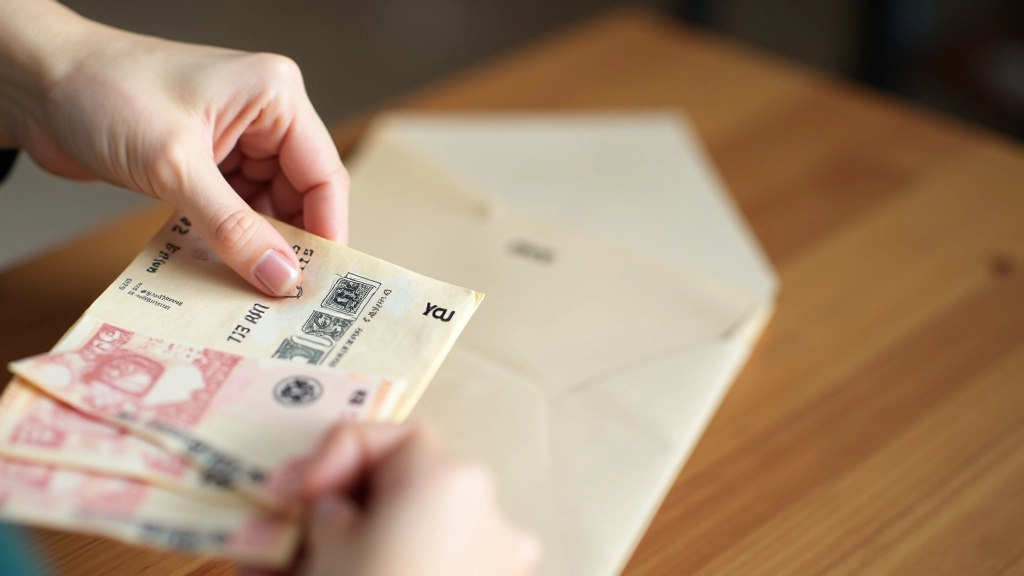
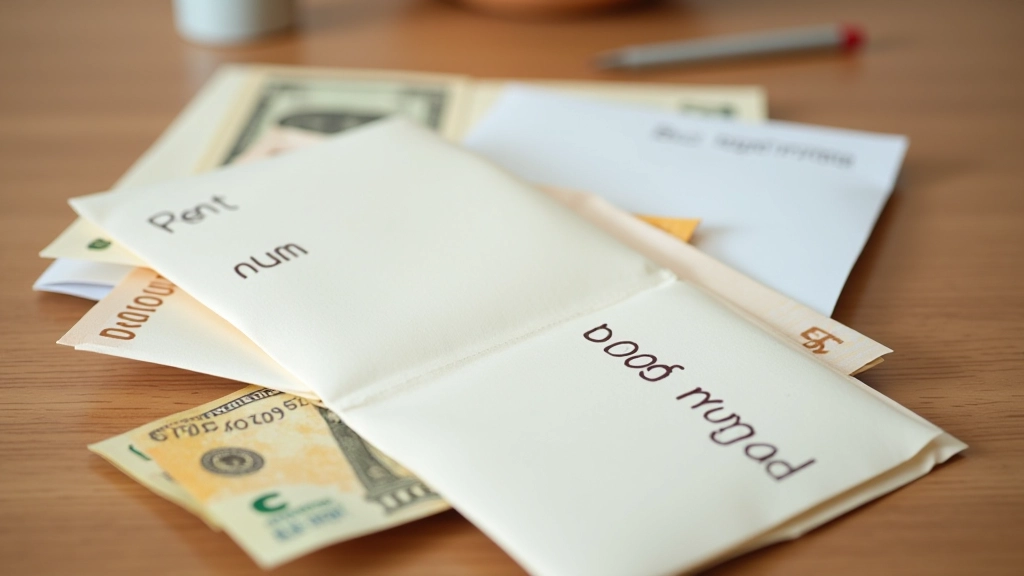
The traditional cash envelope system has been around for decades — and it’s still incredibly effective. Here’s how it works: you withdraw your monthly salary in cash, divide it into physical envelopes labeled by category (rent, groceries, transport, dining, gifts), and spend only what’s in each envelope.
The beauty of this approach? It’s immediate. When your grocery envelope is empty, you stop spending on groceries. There’s no swiping, no “just this once,” no notification you can ignore. The psychological impact is real — seeing cash decrease creates a powerful spending awareness that credit cards can’t match.
Key advantage: No technology required. You won’t struggle with app passwords, software updates, or worrying about data security. Just envelopes and cash.
The Digital Envelope Approach
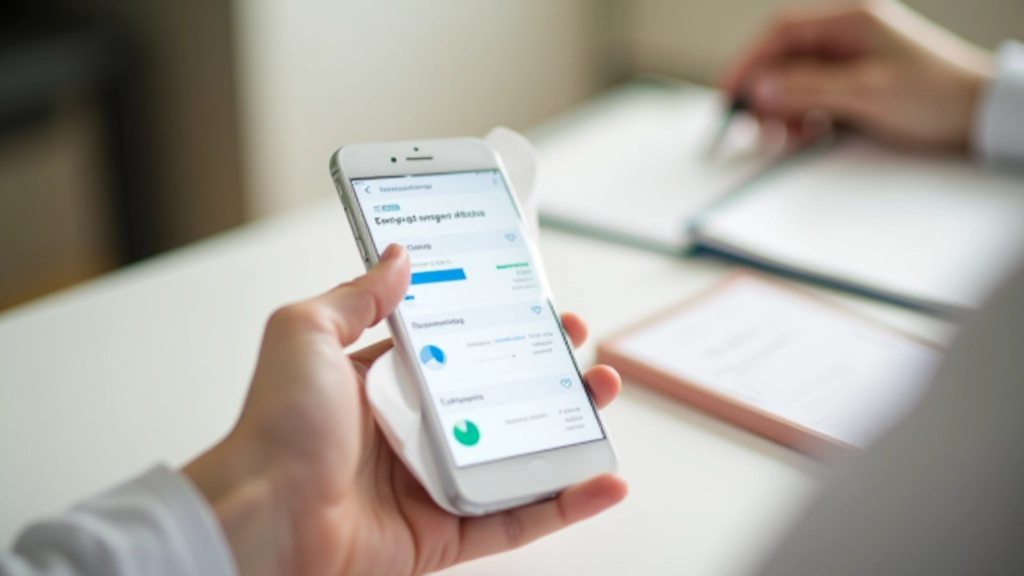
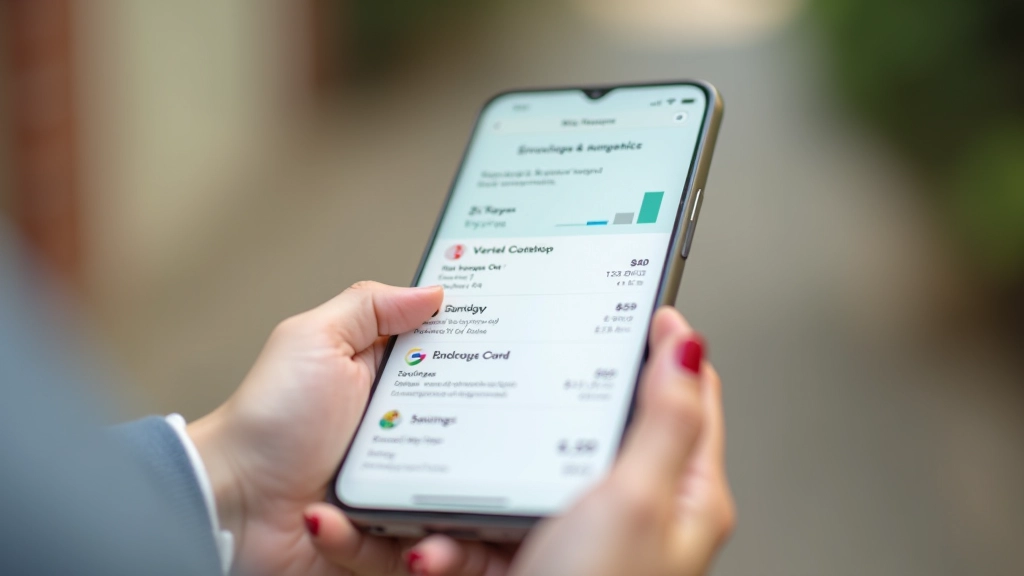
Digital envelope apps bring the same concept into your pocket. Apps like Goodbudget, YNAB, or similar platforms let you create digital envelopes, track spending in real-time, and sync across devices. You’re doing exactly what physical envelopes do — dividing money by category — but with instant updates and historical data.
The convenience factor is significant. You don’t need to carry cash or visit an ATM. Payments happen through your debit card, and the app automatically deducts from the relevant envelope. Plus, you get analytics: spending patterns over months, category breakdowns, and trend charts that help you understand where your money actually goes.
Key advantage: Real-time tracking and automatic synchronization. You’ll know your balances instantly, and multiple users (couples or family members) can see the same data.
Comparing Both Methods
Here’s what matters when you’re deciding which approach fits your life.
Spending Control
Physical: Absolute. When cash is gone, it’s gone. No exceptions. This forces discipline instantly.
Digital: Dependent on willpower. You see the limit, but the app won’t physically stop you from spending. You have to enforce your own boundaries.
Convenience
Physical: You need cash on hand. ATM trips, cash handling, envelope organization take time and attention.
Digital: Always with you. Debit card or mobile payment works everywhere. No cash management required.
Record Keeping
Physical: You’ll need to manually track what you spent and why. It’s not automatic — you have to record receipts.
Digital: Automatic logging. Every transaction is recorded with the date, amount, and category. Historical data is always available.
Learning Curve
Physical: Zero. Grab cash, put it in envelopes, spend from envelopes. Anyone can do this immediately.
Digital: Minor. You’ll spend 20 minutes learning the app interface, but it’s intuitive. Some people find syncing between users slightly confusing initially.
Which Method Actually Works Better?
Here’s the honest answer: whichever one you’ll actually stick with.
Physical envelopes work best if you’re someone who responds to visual, tactile cues. If you like seeing and touching your money, if you want zero temptation to overspend, and if you don’t mind the cash management routine, physical envelopes are unbeatable. You’re not relying on an app or your phone battery. You’re not tempted to “just check” your balance — the envelope tells you everything.
Digital envelopes win if you want convenience, data, and flexibility. If you’re already using your phone for everything, if you want to see spending trends over months, and if you prefer not carrying cash, digital is your answer. Plus, for couples managing money together, digital apps make it significantly easier to stay aligned — both partners see updates instantly.
“Many families in Hong Kong we work with find that starting with physical envelopes teaches the discipline. After 3-6 months, they understand their patterns and move to digital apps for the convenience. That transition works because they’ve already built the habit.”

The Hybrid Approach
Many successful envelope budgeters don’t choose just one method — they combine both. Use physical cash envelopes for categories where you struggle with overspending (dining out, gifts, entertainment) because the cash limitation creates real discipline. Use digital tracking for bills, utilities, and regular subscriptions where you don’t need the tactile reminder.
This hybrid approach gives you the best of both worlds. You get the psychological benefit of watching physical cash decrease in your problem categories, while gaining the convenience and data tracking of digital apps for predictable expenses. Most couples find this balances discipline with practicality.
Important Note
This article is educational and informational in nature. It presents general principles of envelope budgeting based on commonly used methods. Your personal financial situation is unique — circumstances, income, family size, and expenses vary. Before implementing any budgeting system, consider consulting with a financial advisor if you need personalized guidance. Results depend on consistent execution and your individual commitment to the method you choose.
Getting Started Today
You don’t need to overthink this decision. Both systems work because they’re based on the same principle: dividing money into categories and respecting those limits. The method matters less than starting.
If you’re curious about physical envelopes, grab some envelopes and cash from an ATM this week. Label them, divide your spending money, and experience how it feels. If digital appeals to you more, download an app and set up your categories — most have 30-day free trials.
Give whichever method you choose a full month before deciding it’s not working. Real behavior change takes about 30 days to feel natural. You’ll know pretty quickly which approach fits your life.